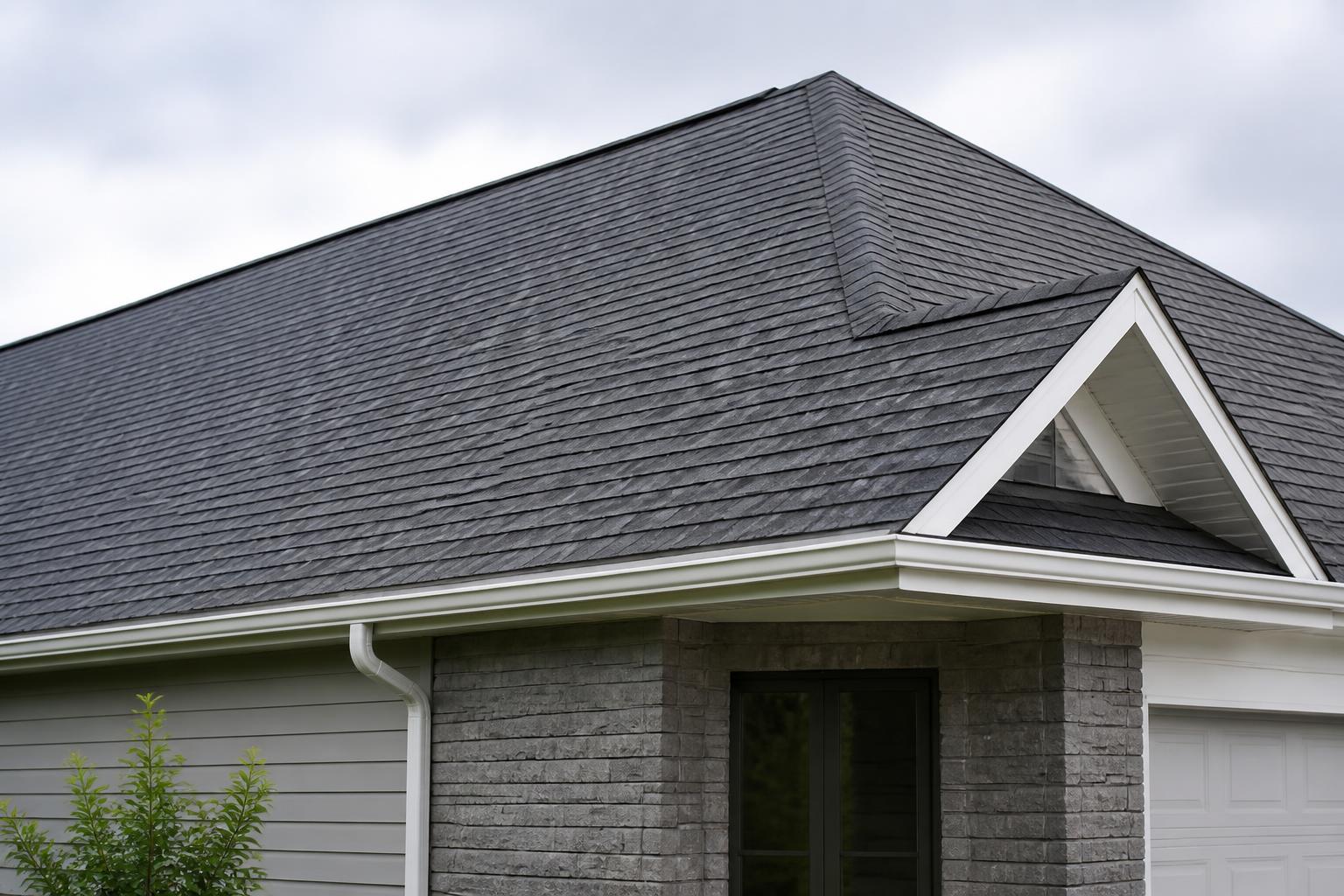
Missing shingles, lifted edges, and fresh water spots after a storm can leave any homeowner worried about what happens next. If your roof took a beating during wind, hail, or heavy rain, the safest next step is to have the damage checked before a small opening turns into a larger repair.
Salty Dog Remodeling helps property owners across Leesburg, VA respond to storm damage with roof repair, roof replacement, roof inspection, and roof tarping support when needed. We look at the visible damage, explain what it means for your roof, and help you decide how to move forward with a plan that fits the condition of the roof and the scope of the repair.
Storm damage does not always announce itself with a leak. Sometimes the first clues are subtle and easy to miss from the ground. After a storm passes, take a careful look at the roof, gutters, and any interior ceilings or walls that sit under the damaged area.
If you notice any of these signs after a storm, the roof should be checked as soon as practical. Some damage is easy to spot, while other issues remain hidden until rain reaches the underlayment or decking.
Storm Damage Repair starts with a focused inspection that looks beyond the obvious missing shingle. We examine the roof surface, weak points around flashing, and areas where water may have entered after the storm.
We look for torn, curled, cracked, or displaced roofing material. On asphalt shingles, impact damage and lifted tabs can reduce protection even when the roof still looks mostly intact from the street.
Storms often reveal weak spots around valleys, ridges, vents, chimneys, and wall intersections. These transitions deserve close attention because wind and rain tend to force water into the smallest openings.
When needed, we also consider signs inside the home, such as discoloration, moisture marks, or attic concerns that help connect the exterior damage to what the storm may have affected.
That inspection gives you a clearer picture of whether the roof needs targeted repair, a larger repair scope, or a full roof replacement if the damage is widespread.
Not every storm-damaged roof needs the same solution. The right fix depends on the roof type, age, and how far the damage spread. We help you understand the practical options without overcomplicating the process.
When damage is limited to a small section, we can replace damaged shingles, secure loose areas, and address points where water may enter.
If the storm affected a larger portion of the roof or exposed a roof that was already worn, replacement may be the more sensible long-term path.
When exposed areas need short-term protection before a full repair can begin, tarping can help cover open sections and reduce further water intrusion.
We also work with asphalt shingle roofing, metal roofing, and flat roofing, so the repair approach matches the roof system rather than forcing one method onto every situation.
The hours and days after a storm matter. Quick action can limit damage, keep moisture from spreading, and make the repair process easier to manage. Even if the roof looks mostly fine, hidden damage may still be present.
Here is a simple sequence that can help:
Check for missing shingles, scattered debris, dents, or water marks around the ceiling and upper walls.
Take photos from safe vantage points so you can track where the damage appears and how extensive it looks.
A close inspection helps confirm whether the problem is limited to one area or if the storm affected more of the system.
If the roof has open areas, short-term covering can help reduce further rain intrusion until repairs are underway.
Acting early can also make communication easier when you are deciding whether to repair part of the roof or plan for a larger project.
Storms affect roofing systems differently, so repair work should reflect the material on your home. The wrong approach can leave weak spots behind or create a repair that stands out for the wrong reasons.
These roofs often show lifted tabs, torn shingles, missing pieces, and granule loss after high winds or impact. Matching the repair area carefully matters so the roof continues to shed water as intended.
Storms can leave dents, loosened fasteners, or separated seams on metal systems. Repair work focuses on securing the affected sections and checking the surrounding details for water entry points.
Flat roofs can collect water where damage has weakened the surface or disturbed a seam. We examine the affected zones with care so the repair addresses the area most likely to let moisture through.
After a storm, many homeowners want straight answers instead of a long list of technical terms. Salty Dog Remodeling focuses on practical guidance so you can understand what happened, what it affects, and what needs to happen next.
We explain the visible damage, point out the areas that deserve attention, and help you compare repair choices without pressure. If the roof can be repaired, we say so. If the damage is broad enough that replacement makes more sense, we explain why that path may serve the home better.
Because we also handle gutters, windows and doors, siding, and other exterior work, we can often see how storm damage connects across different parts of the home. That matters when wind and water affect more than just the shingles.
Homes and businesses across Leesburg, VA can face roof damage that ranges from a few missing shingles to more serious exposure after a storm. When you need local help, it is useful to work with a contractor that can assess the condition, explain the repair path, and stay focused on the details that protect the property.
Salty Dog Remodeling is based at 821 S King St # J, Leesburg, VA 20175, USA, and serves homeowners who need roof repair support after storm-related damage. Whether your concern is a damaged shingle section, a leak after heavy rain, or a roof that needs a closer look, we can help you move from uncertainty to a clear plan.
Our service area includes Leesburg, Ashburn, Sterling, Purcellville, Lovettsville, Hamilton, Round Hill, Herndon, and Fairfax, giving nearby property owners a local option when roof damage needs attention.
Look for missing or lifted shingles, visible dents, granules in gutters, and water spots inside the home. Some damage is hard to see from the ground, so a close inspection is often the safest way to understand the condition of the roof.
Yes. Even a limited area of damage can allow water to reach the roof deck or interior spaces. Small openings often become more serious when another storm or steady rain follows.
A roof can look unchanged from the ground and still have damage at seams, flashing, or on the surface itself. An inspection helps reveal issues that are not obvious during a quick visual check.
No. Some roofs only need targeted repair, especially when the damaged area is limited. If the storm affected a large portion of the roof or exposed existing wear, replacement may be the more practical option.
Yes. When a roof has open sections that need short-term protection, tarping can help cover the exposed area until the repair work begins.
Call +17039568610 to talk through the damage and request a roof inspection. You can also visit us at 821 S King St # J, Leesburg, VA 20175, USA, during our weekday hours from 8:00 AM to 5:00 PM.
Start Your Project
Tell us about your roof, interior remodel, or exterior project. We will help you review the scope, talk through your options, and plan the next step with clarity.